Conventional medicine and TCM:
Two approaches, one goal: your health
In my work, I combine Western conventional medicine with the methods and conceptual frameworks of Traditional Chinese Medicine (TCM). I am convinced that this combination offers patients a particularly comprehensive and in-depth approach to their health. While conventional medicine is primarily based on measurable findings and clearly defined disease entities, TCM views the person as a whole — embedded in their environment, lifestyle, and emotional experience. This perspective meaningfully complements my work in internal medicine and haematology.
In my work, I combine Western conventional medicine with the methods and conceptual frameworks of Traditional Chinese Medicine (TCM). I am convinced that this combination offers patients a particularly comprehensive and in-depth approach to their health. While conventional medicine is primarily based on measurable findings and clearly defined disease entities, TCM views the person as a whole — embedded in their environment, lifestyle, and emotional experience. This perspective meaningfully complements my work in internal medicine and haematology.
When is TCM particularly helpful?
When is TCM particularly helpful?
TCM is especially well suited for the treatment of functional complaints — that is, symptoms for which conventional medicine cannot identify a clear cause. These include, among others:
- chronic fatigue
- sleep disorders
- digestive complaints
- menstrual or menopausal symptoms
- inner restlessness, nervousness
- respiratory conditions
- pain syndromes, for example affecting the musculoskeletal system
- and many more …
(In principle, you are welcome to ask me about any symptom to discuss whether TCM might also be a useful option.)
I also use TCM regularly as supportive care during cancer treatment or to stabilise the body after infections.

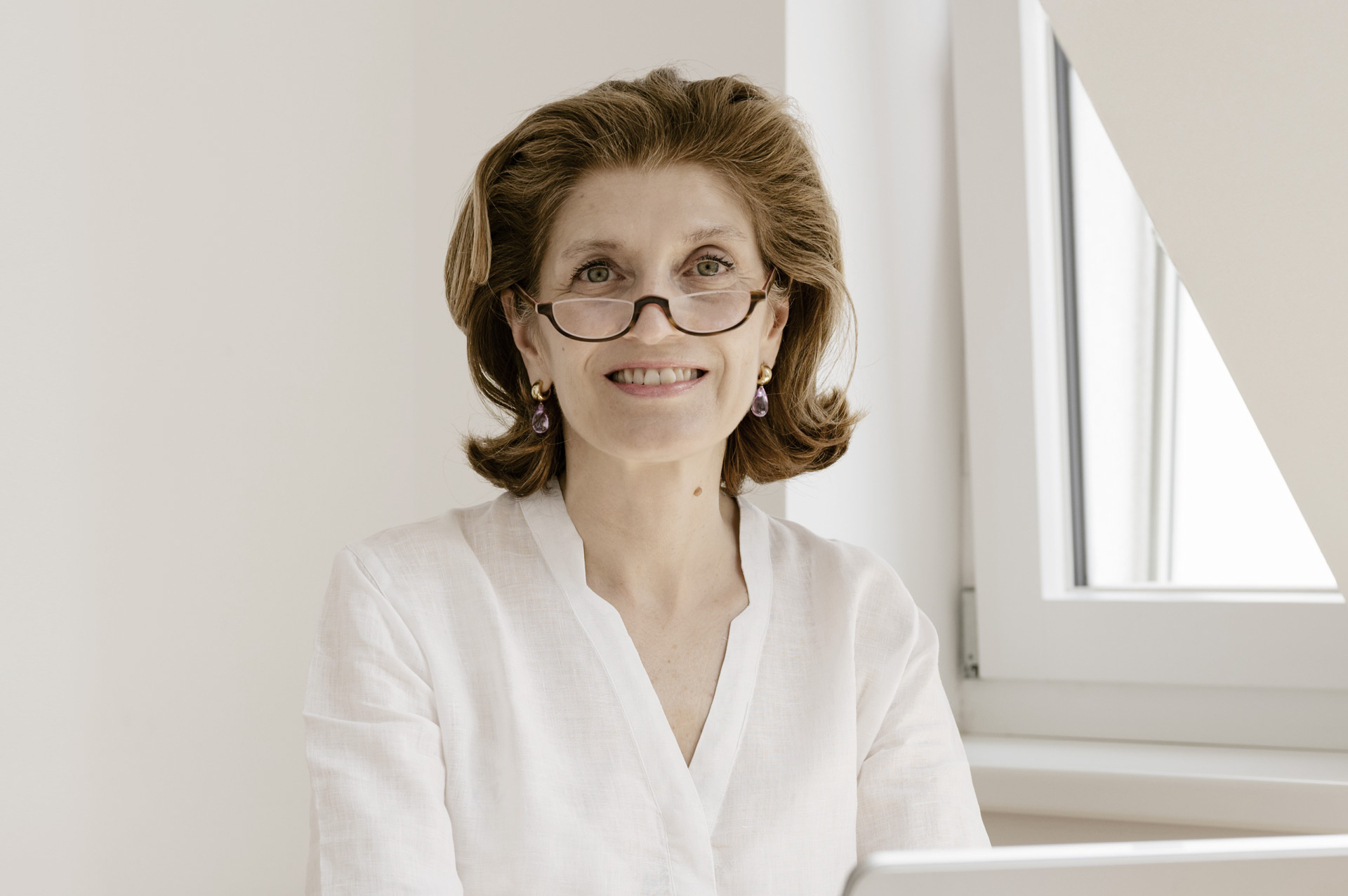
Was ist das Besondere an meinem Ansatz?
Ich verfüge sowohl über eine langjährige universitäre Ausbildung in Innerer Medizin, Hämatologie und Onkologie als auch über ein abgeschlossenes TCM-Masterstudium. Dieses Zusammenspiel ist in Österreich selten – und erlaubt mir, sehr genau einzuschätzen, welche Form der Medizin wann und wie sinnvoll ist.
Ich ersetze keine notwendigen schulmedizinischen Therapien – aber ich ergänze sie dort, wo es dem Menschen guttut, Symptome lindert oder Heilungsprozesse fördert.